




Insomnia can significantly affect hair health in various ways. Chronic sleeplessness often leads to increased stress levels, which are known to disrupt the hair growth cycle. Lack of sleep and insomnia affect hair. It can trigger hair loss conditions such as telogen effluvium, where hair prematurely enters the shedding phase.
Furthermore, sleep deprivation may hinder the body’s ability to regenerate and repair itself, preventing hair follicles from receiving the necessary nutrients and nourishment for optimal growth. Thus, addressing insomnia not only improves sleep quality but may also play a crucial role in maintaining healthy hair. Now, let’s discuss how insomnia affects hair more deeply.
Why does insomnia affect hair?
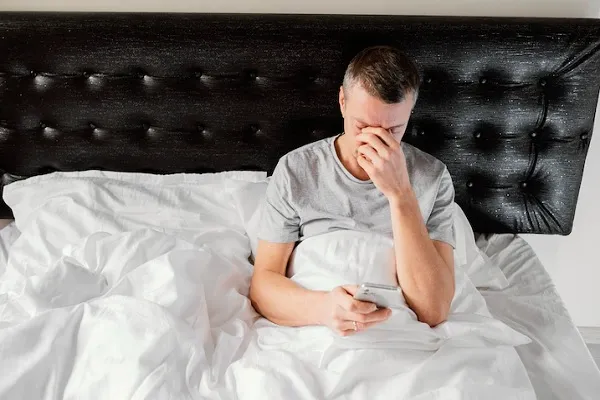
Insomnia (disruption is sleep pattern) affects hair health for various reasons, including the disruption of essential sleep cycles, increased stress levels, and hormonal imbalances, among others.
1. Disruption of the hair growth cycle
Chronic sleep deprivation can severely disrupt the intricate biological hair growth cycle, triggering premature transitions of hair follicles into the shedding phase known as telogen. Consequently, this disruption leads to an increase in hair shedding, resulting in noticeable thinning and a more sparse appearance over time.
The growth phase, or anagen, is especially sensitive to the quality of sleep one receives; inadequate rest impairs hair follicles, preventing them from staying in this critical active growth state, thus compromising the overall health and vitality of the hair.
2. Hormonal imbalances
During the transformative period of sleep, the body vitally produces essential hormones, including melatonin and growth hormone. Both are pivotal for maintaining healthy hair. Melatonin significantly regulates the intricate hair growth cycle, smoothing the transitions from growth to rest phases. In contrast, growth hormone accelerates cell regeneration and invigorates follicle activity, ensuring robust hair development.
When the body experiences insufficient sleep, the levels of these crucial hormones can dwindle. That leads to a noticeable slowdown in hair growth and hinders the development of hair follicles. Furthermore, the increase in cortisol levels—a stress hormone—caused by sleep deprivation can complicate matters by exacerbating hormonal imbalances, further intensifying the risk of hair loss.
3. Increased stress levels
Insomnia frequently leads to heightened stress levels, initiating a cascade of adverse physiological changes that significantly harm hair health. As stress levels rise, the body produces elevated amounts of cortisol, a hormone intricately linked to stress responses. This increased cortisol production can trigger temporary hair loss, known as telogen effluvium.
In this distressing condition, hair follicles are prematurely forced into the resting phase, causing noticeable and often alarming hair shedding. Furthermore, the relationship between stress and sleep is cyclical. Poor sleep not only increases stress levels but also deteriorates sleep quality further. This vicious cycle exacerbates hair loss, worsening the situation for those affected.
4. Impaired blood circulation

What effects does Insomnia have on hair?
Now, you know that insomnia affects hair. If left untreated, it can lead to a variety of hair-related issues that not only affect appearance but also impact individual confidence and self-esteem. Below are specific ways insomnia can adversely influence hair health.
Thinning and shedding of hair
One significant consequence of insomnia on hair is its role in triggering telogen effluvium, a temporary form of hair loss primarily caused by elevated stress levels associated with prolonged sleeplessness. During extended periods of insomnia, a large number of hair follicles prematurely transition into the telogen phase, the resting stage of the hair growth cycle.
This disruption leads to visible thinning and increased shedding, making the scalp more noticeable. As a result, bald patches may develop, which can negatively impact an individual’s confidence and self-image.
Slower hair growth

Insomnia also negatively affects the rate of hair growth, primarily due to the hormonal imbalances and increased stress levels it causes. During periods of inadequate sleep, the body produces higher levels of cortisol, the main stress hormone. Elevated cortisol inhibits the hair growth cycle by prolonging the time it takes for hair to regenerate and transition from the resting phase to the active growth phase.
As a result, people experiencing chronic sleep deprivation may struggle to achieve their desired hair length and fullness. New hair growth becomes significantly delayed, leading to frustration as they try to maintain a healthy, voluminous head of hair despite ongoing sleep challenges.
Increased graying of hair
Another alarming effect of insomnia is its strong connection to premature graying of hair. Chronic stress and hormonal fluctuations resulting from persistent sleep deprivation can negatively impact the functioning of melanocytes, the specialized cells responsible for producing the pigment that gives hair its color.
When these cells become less effective due to stress-related factors, hair begins to lose its natural color earlier than expected. This results in gray or white strands appearing prematurely. This process not only affects aesthetic appearance but can also lead to feelings of aging and distress in individuals who find themselves facing the visible signs of stress reflected in their hair.
Dry hair
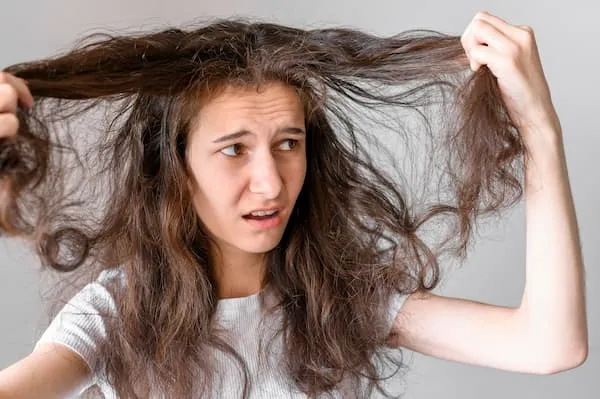
Chronic insomnia often leads to nutrient deficiencies, as the body struggles to absorb and utilize essential vitamins and minerals necessary for maintaining healthy hair. Sleep disruption impairs metabolic functions and nutrient absorption, depriving hair follicles of the substances they need to thrive.
Additionally, the inflammation associated with insomnia can further compromise follicle health, worsening hair texture. Ergo, hair becomes dry, brittle, and more prone to breakage. This leads to dull, lifeless strands that lack the natural shine and vitality typically seen in well-nourished hair.
How can I prevent insomnia from affecting my hair?
To prevent insomnia from affecting your hair, consider implementing the following strategies that promote better sleep quality and, consequently, healthier hair. You have seen how insomnia affects hair, but it won’t be a problem anymore.
Establish a consistent sleep routine to avoid insomnia affect hair
To improve your sleep quality, it’s essential to establish a consistent sleep routine. Go to bed and wake up at the same time every day, including weekends, to regulate your body’s circadian rhythm. This consistency helps make falling asleep at night and waking up refreshed in the morning easier. Set a bedtime that allows for 7-9 hours of sleep and stick to it, even on days off, to maintain a steady routine.
Practice relaxation techniques
Incorporating relaxation techniques into your evening routine can significantly enhance your ability to unwind before bed. Activities such as yoga, mindful meditation, or deep breathing exercises can help reduce stress and signal your body that it’s time to rest. Dedicate 10-30 minutes each evening to these practices, helping transition from the day’s demands to a calmer state of mind.
Optimize your sleep environment
Creating an ideal sleep environment is crucial for restful sleep. Make sure your bedroom is dark, cool, and quiet by using blackout curtains, adjusting the temperature to 60-67°F (15-19°C), and minimizing noise with earplugs or a white noise machine. Invest in a comfortable mattress and pillows that support your sleeping position, as comfort is key to quality sleep.
Avoid caffeine and screen time before bed
Be mindful of caffeine intake and screen time before bed. Caffeine in coffee, tea, chocolate, and some soft drinks can stay in your system for hours and affect your ability to fall asleep. Avoid caffeine for at least 4-6 hours before bedtime. Additionally, the blue light from screens can disrupt your sleep-wake cycle by lowering melatonin production. Turn off electronic devices at least an hour before bed and replace them with relaxing activities like reading or listening to calming music.
Seek professional help if needed

If insomnia persists despite lifestyle changes, consult a healthcare professional. A sleep specialist or primary care provider can evaluate underlying issues affecting your sleep. They may recommend sleep studies or tailored treatments, including cognitive-behavioral therapy for insomnia (CBT-I) or medication, if necessary. Don’t hesitate to seek help, as addressing sleep difficulties is vital for your overall health and well-being.
Faq’s
Can insomnia cause hair loss?
Yes, insomnia can contribute to hair loss. Sleep deprivation increases cortisol levels, a stress hormone that can lead to telogen effluvium, a condition where hair follicles prematurely enter the resting phase. This causes hair thinning and shedding, often resulting in visible bald patches.
Does insomnia affect the texture of hair?
Yes, insomnia can affect the texture of hair. Chronic sleep deprivation can lead to nutrient deficiencies and inflammation, which compromise the health of hair follicles. As a result, hair may become dry, brittle, and more prone to breakage, leading to dull, lifeless strands.
Can treating insomnia help reverse hair loss?
Treating insomnia may help reverse hair loss over time. Once sleep improves, cortisol levels stabilize, and nutrient absorption increases, which can help restore hair health. However, it may take time for hair to return to its natural state, depending on the severity of the damage.
Conclusion
Insomnia affects hair health, leading to a range of issues including thinning, shedding, slower growth, and even premature graying. The disruption of sleep cycles, hormonal imbalances, and heightened stress levels all contribute to these adverse effects. By addressing the root cause of insomnia, people can significantly improve their hair health. Establishing a consistent sleep routine, managing stress, and optimizing the sleep environment are essential steps in preventing insomnia from affecting hair. With time and attention, improving sleep quality can help restore and maintain healthy hair.
At Capilclinic, we’re trusted by thousands of patients in the UK and Europe as a leading Hair Transplant Clinic in Turkey and Spain, known for our expert doctors, advanced facilities, natural hairline results, and affordable all-inclusive packages. Reach out to our team today to start your transformation.