



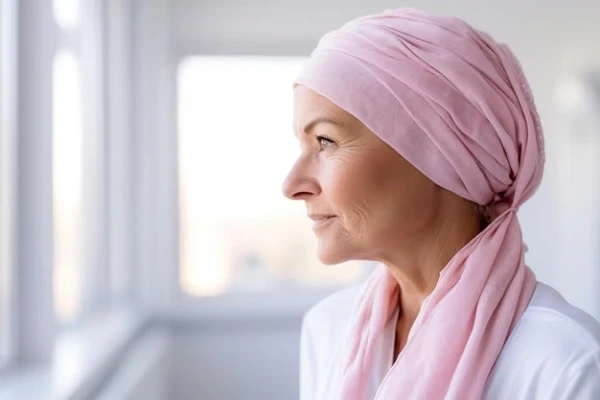
Our self-esteem and body image are profoundly impacted by our hair. This connection between hair and self-image is deeply ingrained, and various beliefs are associated with it. The trends in hair, driven by celebrities and the fashion industry, further reinforce the significance of hair in our lives. In this article, we will talk about Using hair dye after chemotherapy
For individuals battling cancer, hair loss due to chemotherapy can be a significant concern. Up to 10% of cancer patients contemplate refusing chemotherapy solely out of fear of losing their hair. The harsh reality is that cancer treatments almost inevitably affect one’s hair, leading to a condition known as alopecia, commonly associated with cancer patients. One common question that arises is whether it’s possible to use hair dye after undergoing chemotherapy. Cancer patients often aspire to regain their previous appearance, and hair color is crucial in this journey.
We aim to provide you with the answers and guidance you seek. We understand that post-chemotherapy, returning to your familiar appearance is a vital desire. Restoring the color of your hair is a significant step in this process. We will explore the feasibility of using hair dye after chemotherapy and provide insights on how to proceed with this endeavor.
Is it Safe to Dye Your Hair After Chemotherapy?

People who have undergone chemotherapy can indeed consider coloring their hair. However, caution should be exercised when selecting the suitable hair dye.
Consult Your Oncologist
If you’re a cancer patient dealing with partial hair loss, it’s advisable to consult your oncologist regarding the use of natural hair dyes. There are gentler options. There are also makeup products available specifically designed for covering gray hair, which are non-harmful and can be easily washed off if prescribed coloring isn’t suitable.
Patience Is Key
In the ideal scenario, you should allow two to three months for your hair to regrow before attempting any coloring. This patience ensures that your hair has regained some strength.
The Allergy Test
Before applying any coloring product, it’s crucial to perform an allergy test. After 48 hours, if there are no adverse reactions, you can safely proceed with the application. This test is essential to ensure your skin and scalp are not sensitive to the product.
Choose Gentle Products
When choosing hair dye after undergoing chemotherapy, it’s important to select products specifically formulated for post-chemotherapy use. These products are intended to be gentle on delicate hair and skin, minimizing potential irritation or damage.
Hair Color Options
Gentle Hues
When delving into the world of hair coloring, it’s wise to begin with the gentler alternatives. Temporary or semi-permanent coloring, often called tone-on-tone, is worth considering. This particular solution introduces color to your hair, yet it doesn’t permeate deeply within. Unlike its more potent counterparts, it doesn’t engage in a chemical reaction that penetrates the core of your hair. Instead, it brings about subtle changes in the hair’s structure. In the event it contains ammonia, the levels are exceedingly low. The result? A more nuanced, less uniform concealment of gray hair.
Permanent Color
Permanent coloring becomes the key player when a more lasting transformation is in order. This process requires an oxidizing agent like ammonia or its substitutes. This key ingredient strips away the hair’s natural hue and securely locks in the new dye’s color. Ammonia causes the cuticle to swell, thereby stripping away the hair’s original color to establish a firm connection with the fresh dye.
Natural Dyes
On the other hand, natural dyes are derived from plant extracts and minerals. They aren’t meant to lighten your base color but add reflections and disguise those pesky gray hairs. The outcome largely hinges on the quantity of gray hair you’re working with. The effect might resemble highlights or a vibrant hue, yet it carries a dynamic touch. Natural dyes can be a brilliant choice post-cancer treatment, as they not only provide coverage for white hair but also enhance its shine and vitality.
Potential Side Effects of Hair Dye Post-Chemotherapy
When considering the use of hair dye after chemotherapy, it’s essential to be aware of potential side effects and complications that may arise.
- Skin Sensitivity: Chemotherapy, including your scalp, can make your skin more sensitive. Applying hair dye might lead to skin irritation or allergic reactions.
- Weakened Hair: Chemotherapy often leaves hair fragile and more susceptible to damage. Using hair dye too soon after treatment can potentially worsen the condition of your hair.
- Color Variation: Chemotherapy can alter the texture and color of new hair growth. Due to these changes, applying hair dye may yield unexpected results.
To mitigate these risks, it’s advisable to consult with a dermatologist or oncologist who can provide guidance tailored to your specific situation.
Why Does Hair Fall Out During Chemotherapy?
Chemotherapy is a powerful cancer treatment that targets rapidly dividing cells, including those in the blood, mouth, nose, nails, vagina, and hair. While it’s uncommon for permanent hair loss to occur after extended chemotherapy, the reasons behind this phenomenon are essential to know.
The Impact on Hair Follicles
The absence of new hair growth during and after chemotherapy is attributed to the atrophy of hair follicles. Various treatment options are available to address this issue, ranging from non-invasive solutions like using oncological wigs to more intensive approaches like micrografting.
Preventing Chemotherapy-Induced Alopecia
Cold therapy devices, often called cold caps, have proven effective in mitigating hair loss during chemotherapy. These snug-fitting caps are filled with a cooling gel that reaches temperatures between -94. and -44. ºC, work by reducing the exposure of hair follicles to chemotherapy drugs. By wearing these caps for 20 to 50 minutes before each treatment session, the amount of medication that reaches the follicles is minimized, thereby decreasing the likelihood of hair loss.
The Post-Chemotherapy Hair Transformation
The effects of chemotherapy on hair go beyond temporary hair loss, which is often reversible. Patients may also notice changes in their hair’s characteristics after treatment. Initially, the hair tends to become finer and more susceptible to breakage. Additionally, alterations in color and texture may occur.
Under normal circumstances, approximately 85-90% of scalp hair is in the active growth phase (anagen), while only 10-15% is in the resting phase (telogen). Typically, 75 to 100 telogen hairs fall out daily and new ones replace them. Some chemotherapy drugs can lead to hair loss on the scalp and other body regions. Furthermore, radiation therapy may cause hair loss in areas where radiation is administered.
Timeline of Chemotherapy-Induced Hair Loss
Chemotherapy-induced hair loss usually commences between the first and second weeks of treatment, becoming more noticeable after about two months. Long-term treatment can also lead to the reduction of pubic, underarm, and facial hair. The extent of this loss is dose-dependent and is often reversible.
When cancer treatment is discontinued, hair can regrow. To support this regrowth, management focuses on scalp care and the provision of nutritional supplements, ensuring the best conditions for hair to recover when the time is right.
Hair Care Guidance Post-Chemotherapy
When it comes to caring for hair after chemotherapy, the right tools and techniques are important to minimize damage and promote healthy regrowth. To ensure the best results, here are detailed measures and tips to follow:
1. Appropriate Hair Tools: Choose a soft bristle brush or a wide-tooth comb to minimize stress on your fragile hair and scalp. These gentle options can help prevent hair breakage and scalp irritation.
2. Avoid Heat Styling: It’s best to steer clear of hair dryers, flat irons, and curling irons as the high temperatures can be damaging to post-chemotherapy hair. Additionally, avoid using hair fixatives and tweezers that may harm your delicate scalp.
3. Gentle Shampooing: Opt for a mild, sulfate-free shampoo that is specifically designed for sensitive scalps. Wash your hair gently, even though infrequent washing is recommended. Avoid vigorous rubbing to prevent hair breakage and further damage.
4. Hair Net for Sleeping: Consider using a soft hair net before bed to reduce friction and potential hair loss during sleep. This can help protect your hair as it grows back.
5. Styling Choices: Some individuals may choose to cut their hair very short or shave their heads completely to minimize hair loss. If you decide on the latter, use an electric razor to prevent cuts and irritation.
6. Wig Usage: If you opt for a wig, starting to use one while you still have some hair left provides a more comfortable fit and allows you to maintain the color and style you prefer.
7. Sun Protection: Protect your scalp from the sun’s harmful rays using sunscreen specifically designed for the scalp or by wearing a hat when outdoors to minimize sun-related damage and sensitivity.
8. Addressing Scalp Sensitivity: If you experience itching or have a sensitive scalp, consider using soothing creams, conditioners, or thermal water sprays to provide relief and comfort to your sensitive post-chemotherapy scalp. These products can help alleviate discomfort and support the healing process.
Taking these detailed measures into account will help you preserve and strengthen your hair and promote overall hair health during the recovery process after chemotherapy.